How To Test Your Foot Strength At Home (Five Simple Checks You Can Do Today)
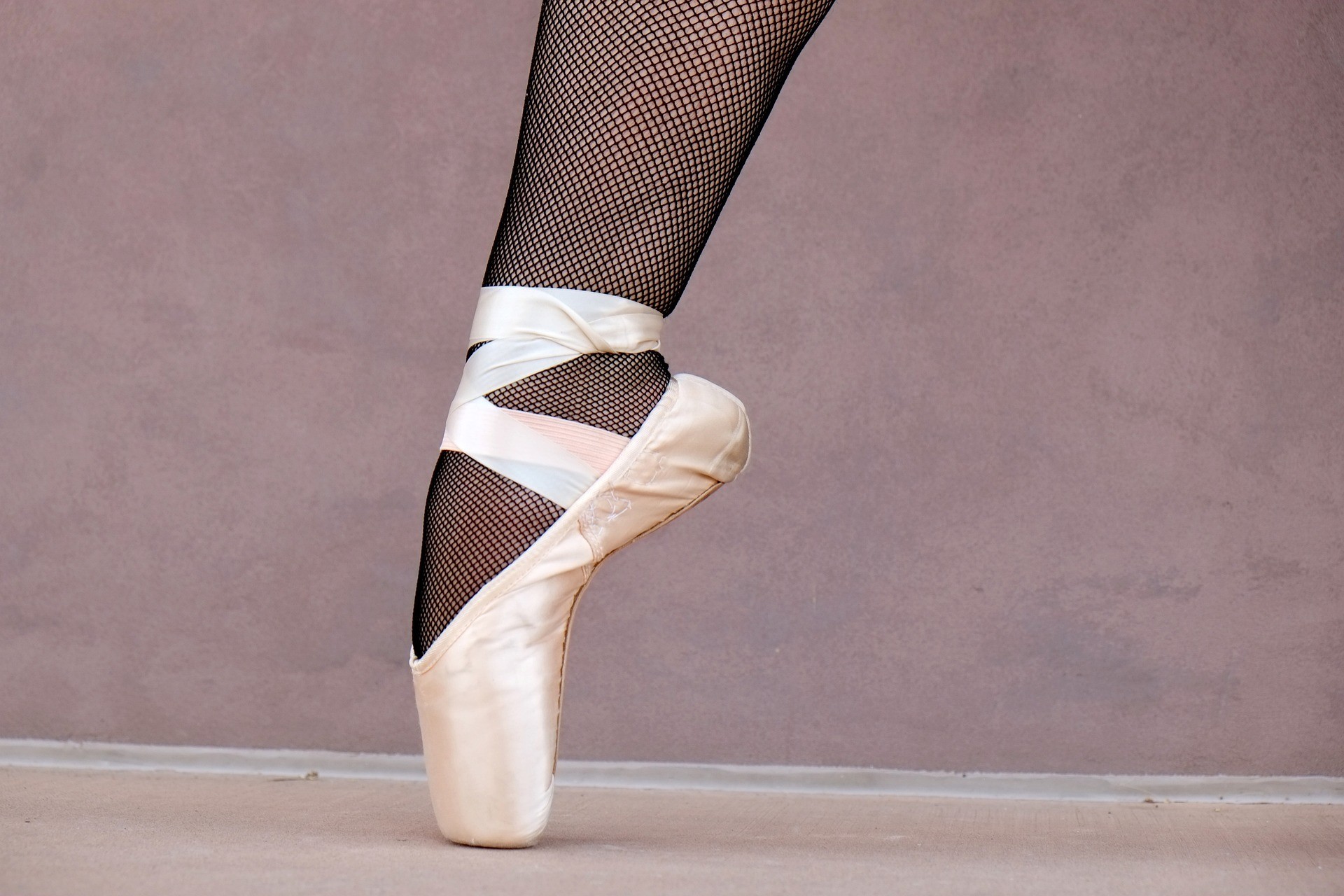
Your feet carry you through almost everything you do. Walking to the train, standing at work, playing on the floor with your kids, running, hiking, even just getting up from the couch, all of it depends on how strong and steady your feet are.
When those muscles are weak, your body often sends quiet warnings. Sore arches at the end of the day, heavy or tired legs, wobbly balance, or ankles that twist a little too easily. Over time, weak feet can feed into knee, hip, and even low-back pain.
The good news is that you can get a quick read on your foot strength in just a few minutes, right in your living room. No special gear, no workout clothes, no fancy tracker.
In this guide, you will learn five simple, no‑equipment home tests you can try today. They are gentle for most people and give a clear snapshot of how strong, stable, and coordinated your feet really are.
How strong feet protect your whole body
Think of your feet as the foundation of a house. If that base is strong and well aligned, the walls stay straighter and the roof sits level. If the base is weak, cracks show up higher up.
The small muscles in your feet help support your arch, control how your ankle moves, and share load with your calves. When those muscles do their job, they help protect your knees and hips from extra strain. A Novant Health article on maintaining foot strength explains that stronger feet can help with balance and reduce joint stress higher up the chain.
On uneven ground, those muscles grip and adjust so you do not roll your ankle. When you go down stairs, they help control your body weight instead of letting you slam each step.
If the muscles are weak, your arch may collapse when you stand, which can irritate the thick band of tissue under your foot. That is one common path toward plantar fasciitis, a heel and arch pain problem described in detail by the Cleveland Clinic plantar fasciitis guide. Weak feet also show up as more trips, stumbles, and ankle sprains.
The tests below are a first check, not a diagnosis. If anything feels off or painful, talk with a medical professional.
Signs your feet might be weaker than you think
Many people have weak feet even if they walk a lot or work out. Long hours in stiff shoes or sitting at a desk can let those small muscles switch off.
You might notice that your feet tire fast when you walk or stand in a line. Your shoes may wear out on one edge, often on the inside if your arch collapses. Maybe you roll your ankle on small bumps in the sidewalk, or you feel shaky when you balance on one leg to put on pants. Achy arches, sore heels, or tight shins after a short walk are other common hints.
Chronic knee, hip, and low back pain can also be a sign of weak feet.
Five quick at-home tests to check your foot strength
Do these tests barefoot if you feel safe. Stand near a counter or sturdy chair. Stop right away if you feel sharp pain, strong pins and needles, or dizziness.
Test 1: Towel curl toe test for toe strength and arch support
This test checks the small muscles under your foot and in your toes. They help grip the ground and support your arch when you walk.
- Sit in a chair with your feet flat.
- Place a small towel on the floor under one bare foot.
- Use your toes to scrunch and pull the towel toward you.
- Try 10 curls, then switch sides.
Notice how long it takes to pull most of the towel in. Also notice if one foot feels weaker or starts to cramp.
Scoring in plain terms:
- Strong: You can pull in most of the towel with smooth, controlled curls.
- Fair: You move the towel but your toes shake or cramp.
- Needs work: The towel hardly moves and your toes barely curl.
Cramping here usually means those muscles are not used to working yet, not that anything is broken. For more detail and exercise ideas, you can look at the towel curl explanation from Rehab Hero.
Test 2: Single-leg heel raise for calf and foot power
This test checks your calf muscles and the muscles that help you push off when you walk, climb stairs, or jog.
- Stand near a counter or chair and place one fingertip on it for balance.
- Lift one foot so you are standing on a single leg.
- Rise up onto the ball of your standing foot as high as you can.
- Lower your heel with control.
- Repeat and count how many you can do, up to 20 to 25 (runners minimum 30).
Compare both sides.
Scoring:
- Strong: 15 to 25 smooth complete (heel up all the way) reps, similar height each time, no pain.
- Fair: 8 to 14 reps, or the heel rise gets much smaller near the end.
- Needs work: 7 or fewer reps, pain, or you cannot lift the heel very high.
If one side is clearly weaker, shorter, or painful, that gap is important to note.
Test 3: Single-leg balance test for foot stability
This test looks at how well your foot and ankle keep you steady when your weight is on one leg.
- Stand near a counter or sturdy chair.
- Cross your arms over your chest if you can do so safely.
- Lift one foot so you balance on the other.
- Time how long you can hold, up to 30 to 45 seconds, with eyes open.
If you feel solid, you may try again with eyes closed, but only if you feel safe and have support nearby. Barefoot gives the best picture of true foot control, but you can start in shoes if you are nervous.
Scoring:
- Strong: You hold close to 30 to 45 seconds with only small wobbles.
- Fair: You hold 10 to 29 seconds, or you have to touch down once.
- Needs work: Less than 10 seconds, or frequent tapping, hopping, or grabbing support.
Repeat on the other side and note any big difference.
Test 4: Short foot arch lift test for arch control
The short foot test looks at how well the tiny muscles inside your foot can lift your arch without help from your toes.
- Sit or stand with your foot flat.
- Keep your toes relaxed and resting on the floor.
- Gently try to pull the ball of your foot toward your heel without moving the ankle (ball of big toe needs to maintain contact).
- Your goal is a small lift in the arch, not a big move.
- Hold for 5 to 10 seconds, then relax, and repeat several times.
Good control looks like a gentle arch lift while the toes stay loose and quiet. No big toe clawing, no hard cramps.
Weak control shows up when the arch does not move at all, the toes dig in or curl hard to try to help, or the movement feels impossible to even start.
Test 5: Toe grip test with cardboard for gripping strength
This test looks at how well your toes can grip and hold, which helps with balance, quick direction changes, and pushing off when you walk.
- Place a thin piece of cardboard or folded paper under the toes of one foot.
- Keep the ball of your foot on the floor.
- Grip down with your toes to pinch the cardboard.
- Have a partner try to slide the cardboard out, or pull on it yourself with your hand.
Scoring:
- Strong: The cardboard does not slip, or only moves a little while you hold.
- Fair: You can hold for a moment, then it slips free.
- Needs work: The cardboard slides out with almost no resistance.
You can repeat all five tests every few weeks. They double as a quick progress check if you start practicing foot exercises.
What to do if your foot strength scores are low
Low scores are not a failure. They are just a starting point.
Begin with very simple practice versions of the same moves: towel curls, short foot arch lifts, gentle two‑leg heel raises, and easy single‑leg balance near a counter. Do them for a few minutes, two or three days per week.
Aim for slow, steady progress. Maybe you add one or two reps, or hold your balance a couple of seconds longer. Small gains add up.
Begin walking barefoot on grass 2-3x week starting with just 2 minutes and working slowly up towards 20 min.
Talk with Dr. Jess if you have ongoing pain, a history of diabetes or nerve issues, strong numbness, or past serious injuries in your feet or ankles. You might need a more personalized routine and manual therapy to get you back on track to having stronger, more functional feet.
It is never too late to build stronger, more capable feet.
Stronger feet for a stronger future
Strong feet support better balance, less pain, and more relaxed movement in daily life. These five tests act as a quick home checkup for toe strength, calf power, balance, arch control, and toe grip.
Pick one or two weak spots and work on them for the next month, then repeat the tests. Notice how walking, climbing stairs, and standing at the sink feel as your feet grow stronger.
A few focused minutes today can help your future self walk with more comfort, freedom, and confidence.

Jessica Greaux
Contact Me